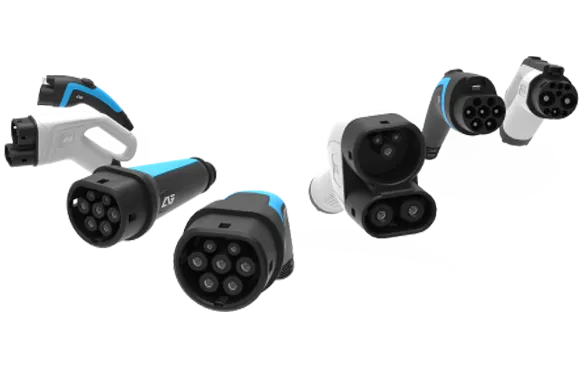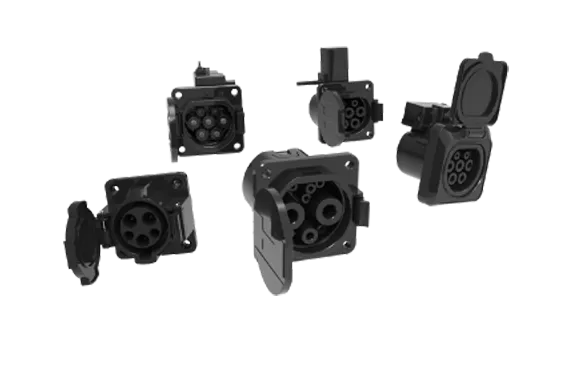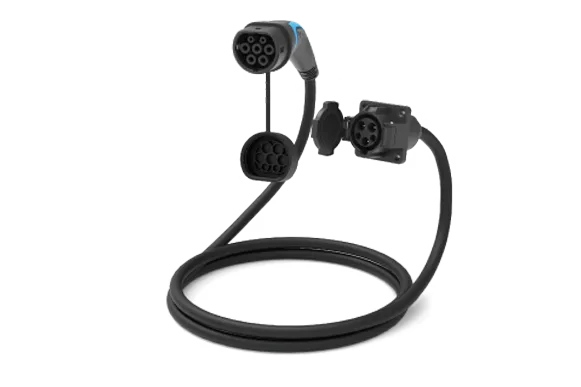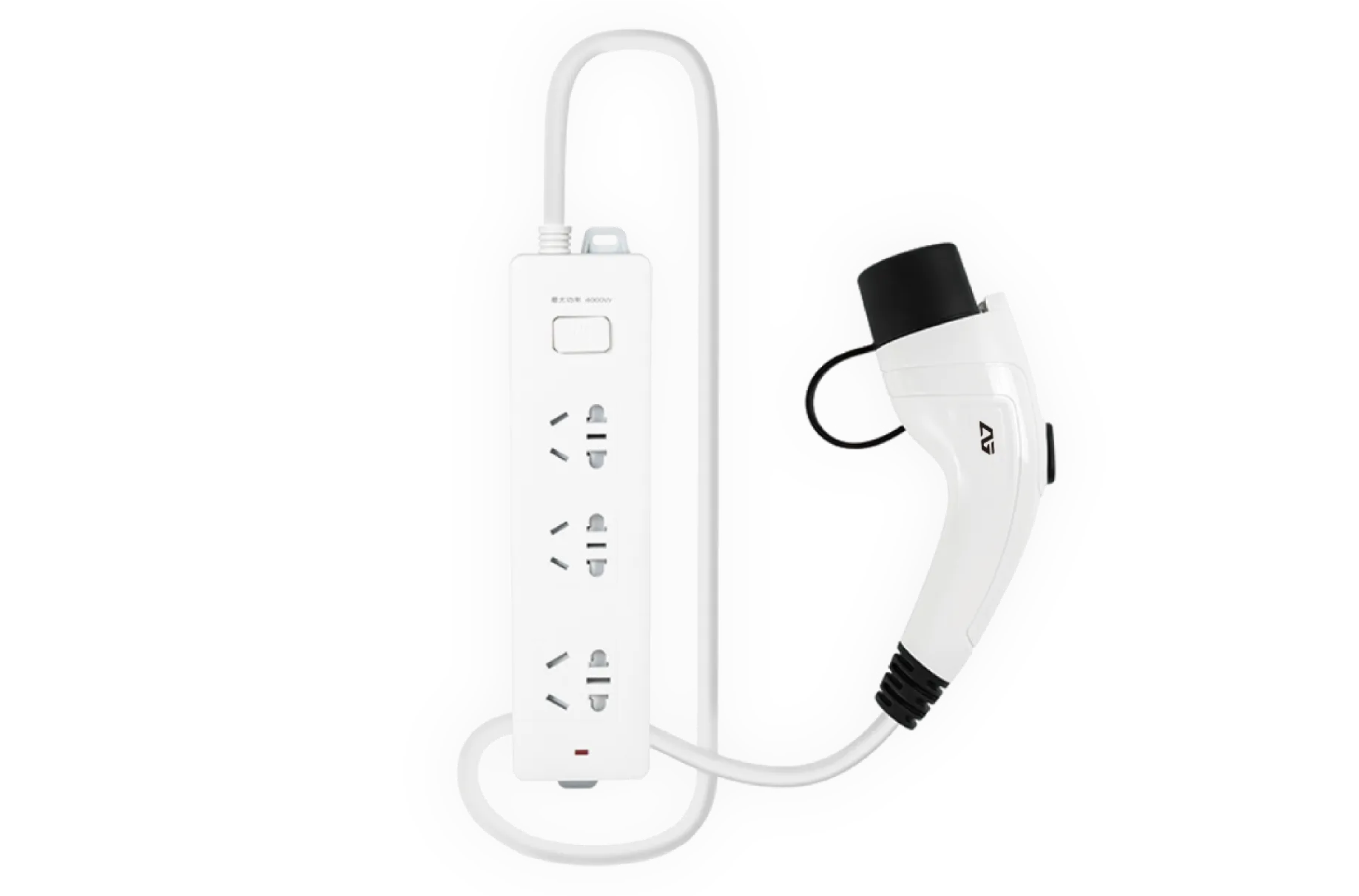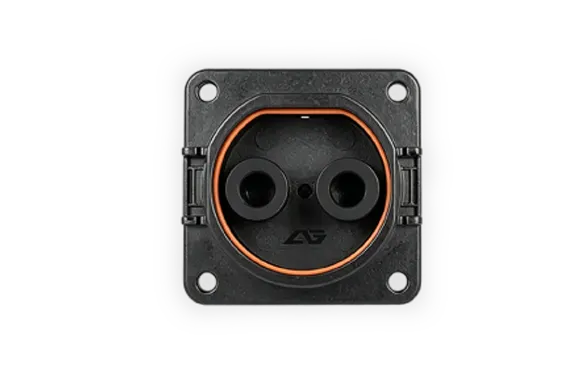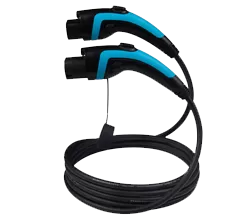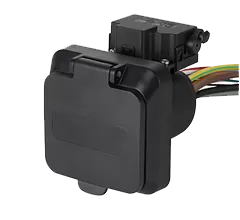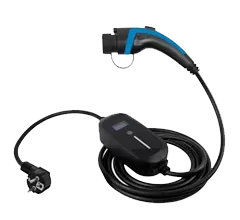
SAE J1772, also known as IEC Type 1 (IEC 62196 Type 1) or J plug, is the electrical connector standard for electric vehicles in North America. It is maintained by the International Society of Automotive Engineers. The official name is SAE Surface Vehicle Recommended Practice J1772, SAE Electric Vehicle Conductive Charge Coupler. These include the physical characteristics, electronic characteristics, communication protocols and performance requirements of the electric vehicle conductive charging system and the vehicle-side coupler. Its purpose is to define a general electric vehicle conductive charging system architecture, including general requirements for vehicle sockets and mating connectors, performance requirements and size requirements.
The main force driving the development of SAE J1772 is from the California Air Resources Board (CARB). In the past, electric vehicles (such as General Motors EV1) were charged by inductive couplers. But later it was not recommended, and started to promote conductive car charging. Then, the California Air Resources Board also formulated the SAE J1772-2001 standard in June 2001 as the standard for electric vehicle charging in California.
The 2001 CARB regulations mandated that from 2006 onwards, the J1772-2001 specification must be introduced into the production of electric vehicles. CARB proposed a draft amendment to Title 13 section 1962.2 in 2008, compelling cars to be marketed from 2010 to use the SAE J1772 standard proposed later, and this amendment was passed in 2012.
Many electric vehicle depots after 2000 adopted the SAE J1772-2009 standard, such as the third generation of Chevrolet Volanda and Nissan Leaf, as well as earlier models. This connector has become a standard device in the U.S. market, mainly because there are many charging stations with this type of connector in the U.S. electric vehicle network (U.S. Economic Recovery and Reinvestment Act has subsidies for programs like ChargePoint America, which also has some help).
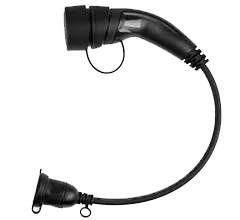
The European version of the vehicle is also equipped with SAE J1772-2009 connectors, until European car manufacturers decide to use IEC Type 2 "Mennekes" connectors as standard connectors, and all IEC connectors use the same SAE J1772 communication protocol, so car manufacturers can follow the market needs, and vehicles with SAE J1772-2009 connectors or IEC Type 2 connectors are sold. There are also converters for these two types of connectors on the market.
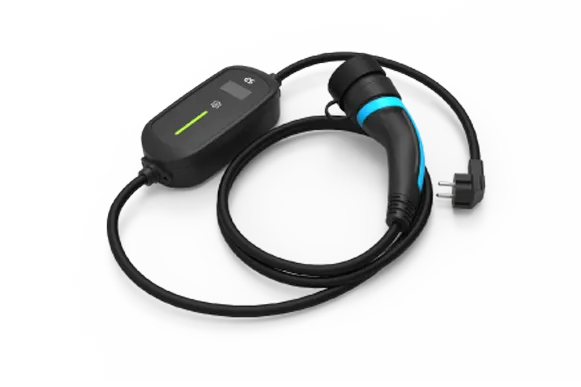
As a professional ev charging equipment manufacturer, AG Electrical's products are developed in accordance with SAE J1772, GB/T20234, IEC 62196 and other mainstream standards, and can be applied to different brands of electric vehicles and charging stations. We are striving to provide you with the latest standard electric vehicle charging equipment.