In order to promote the development of global electric vehicles, SAE International recently revised the standards related to electric vehicle charging, greatly shortening the charging time to about 20 minutes. The new standards may activate the current sluggish electric vehicle industry.
According to Gery Kissel, a GM technical expert and chairman of the SAE J1772 task force, the SAE J1772 standard voted and approved by relevant SAE committee members will become the only official DC charging standard in the world. He pointed out that the lack of standards in this regard is the main reason for the confusion of electric vehicle charging systems, and at the same time discourages potential purchasers of electric vehicles and plug-in hybrid vehicles.
"If there is no suitable standard," he explained, "you will see the entire industry continue to differentiate. I think this will make the entire market more chaotic, and may reduce consumer interest in this technology. Standardization can really maintain the stable development of things."
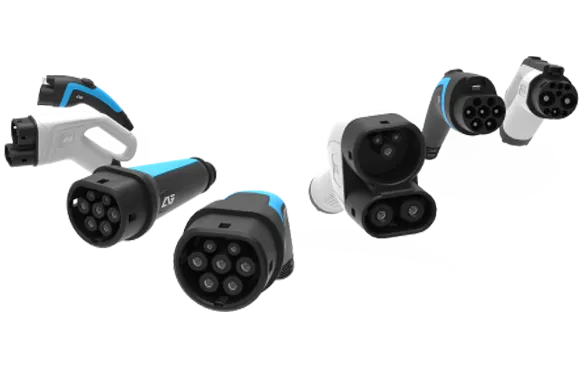
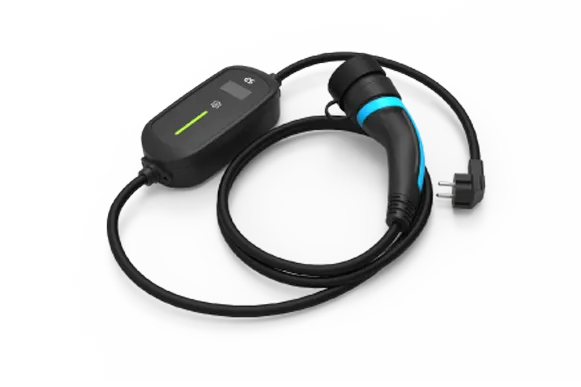
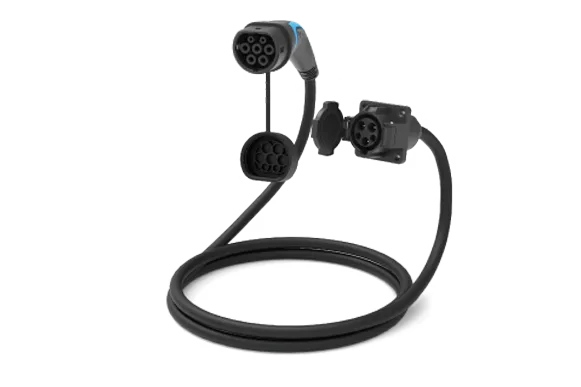
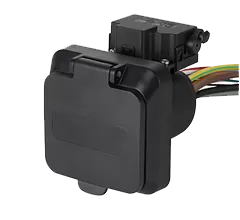
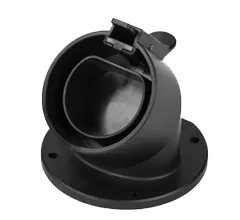
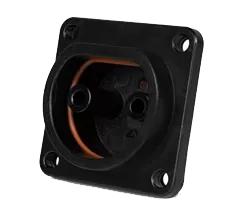
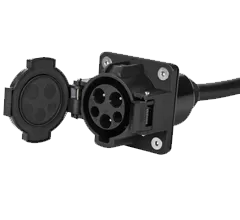
The core of the standard for DC fast charging based on J1772 revision is the so-called Combo Connector. The previous version of the standard (developed in 2010) clarified the specifications of the basic J1772 connector for AC charging, with a lower charging level (AC Level 1 is for 120V, Level 2 is for 240V). This basic connector has been widely used today and is directly compatible with Nissan Leaf, Chevrolet Volt and Mitsubishi I.
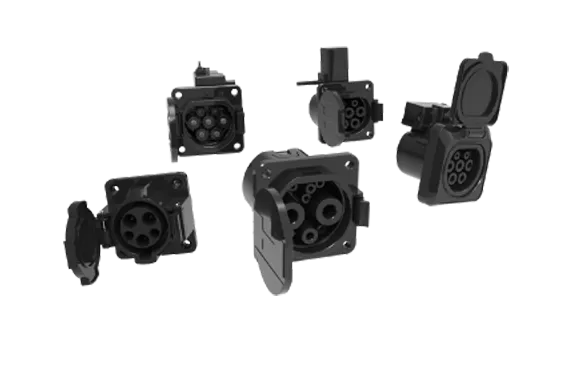
In the revised standard, the so-called Combo Connector retains all the functions of the basic connector, but has two more pins, which can be used for DC fast charging. But this interface is not compatible with current electric vehicles (limited to battery-driven electric vehicles and plug-in hybrid vehicles). The biggest advantage of the Combo Connector is that in the future, automakers can use a socket on their new models, which is not only suitable for the first generation of smaller basic AC connectors, but also for the second generation of larger Combo Connectors. It can provide DC and AC currents and charge at two different speeds respectively.
In addition to DC fast charging, the newly developed SAE J1772 standard will also allow advanced digital communication through one of the pins. This revised version will eventually promote a significant increase in bandwidth (Kissel likens it to a fire hose, while the previous one is just a straw), such as movies can be downloaded quickly to the vehicle.