For gasoline-powered car owners looking to switch to electric vehicles, a barrier is the time required for electric vehicle charging. Although drivers who already own electric vehicles report that they do not mind charging time, it is difficult to convince potential converts to change their driving and refueling habits. In fact, charging time depends on several factors. Let's take a look at how long it really takes to charge an electric vehicle, and how electric vehicle charging can best meet individual driver needs.
Every device related to charging electric vehicles affects the time required to charge the vehicle. Charging stations and their power output, the vehicle's charging capability, the size of the battery, and the current charge level all play a role in determining the duration of electric vehicle charging. Let's take a closer look at the different factors that affect charging time below:
Electric vehicle battery capacity
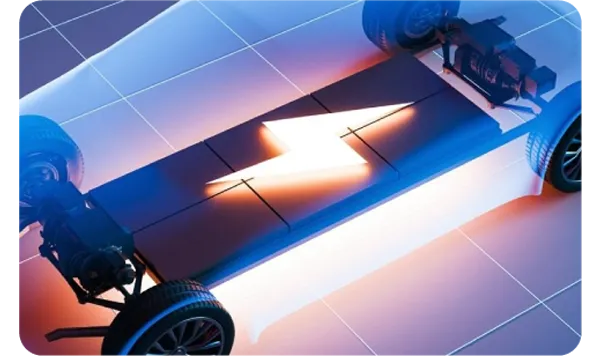
Not all electric vehicle batteries are the same. In fact, there is a significant difference in potential range for different electric vehicles. The range of some lower-cost electric vehicles is sufficient to meet the daily needs of most drivers, while the range of other luxury models can rival or even exceed that of many traditional gasoline-powered cars. One warning: the larger the battery, the longer the charging time. But the good news is that as battery capacity increases, so does the demand for faster charging solutions.
Electric vehicle charger capacity
While charging stations provide power for electric vehicle charging, they are actually connected to the vehicle's battery charger, which stores the electric energy in the battery. Regardless of the charging station's power source, large batteries equipped with small battery chargers will take a long time to charge. That's why luxury electric vehicles equipped with large batteries usually come with on-board battery chargers that can quickly receive and convert power from power stations.
Other factors
Variables such as temperature, time of day, and required charging capacity also determine how long it takes to charge an electric vehicle. Extremely low (and high) temperatures can slow down electric vehicle charging. In addition, as traffic flow increases and subsequent charges on the electric grid, it may take longer to recharge based on the time of day. Finally, many electric vehicle manufacturers recommend keeping your battery within the optimal battery range to maximize its lifespan. This means that it is not always necessary to charge to maximum capacity, and it is usually not necessary. If a certain range is not needed, it can help shorten the charging time.