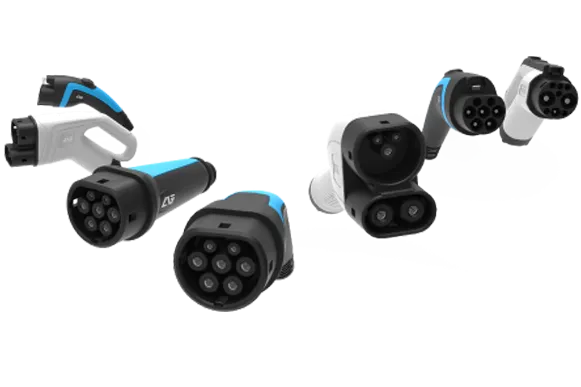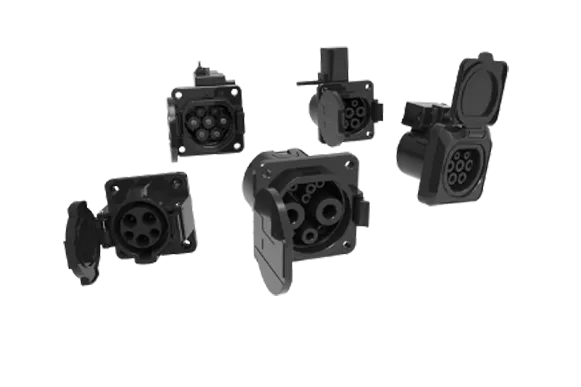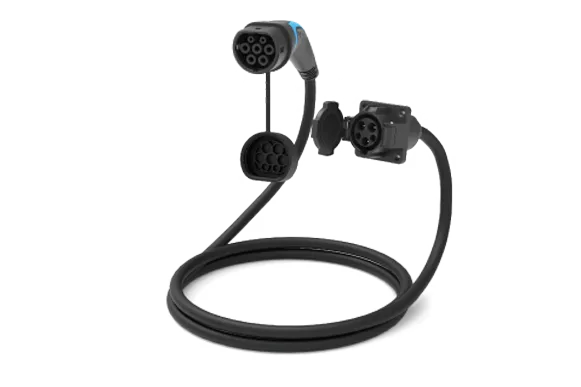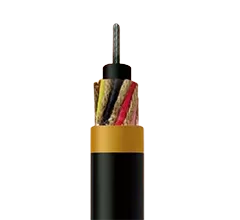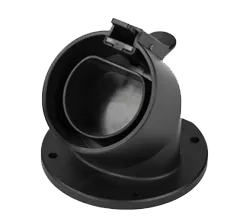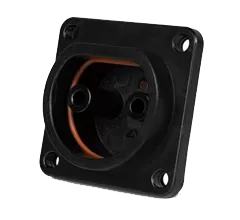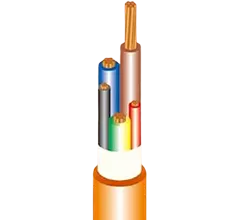
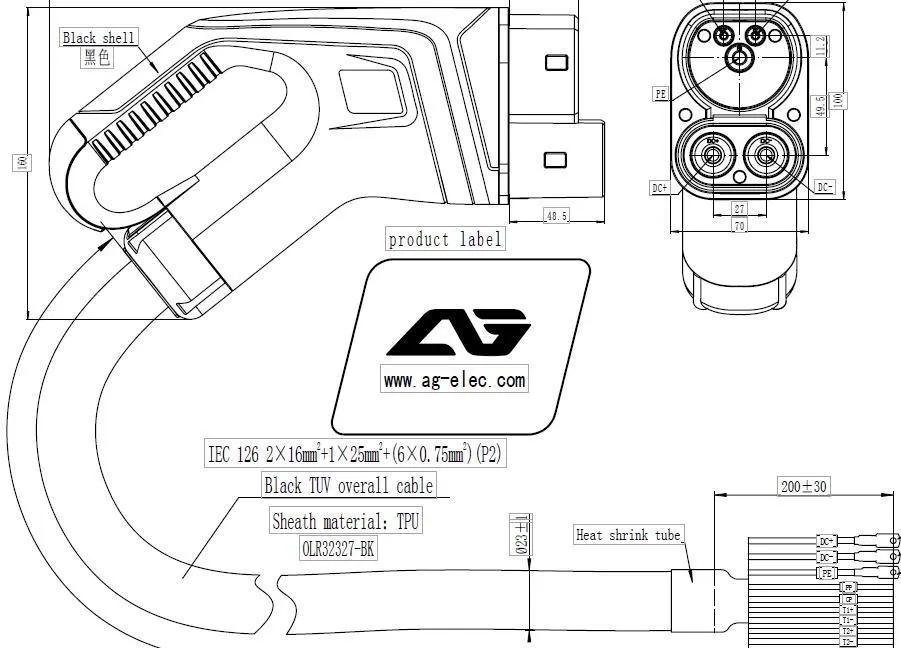
The Combined Charging System, more commonly known as CCS and CCS 2 is the European standard plug and socket type used for connecting electric or plug-in hybrid cars to a DC rapid charger.
Almost all new pure-electric cars have a CCS 2 socket in Europe. It consists of a nine-pin input that’s split into two sections; the upper, seven-pin section is also where you plug in a Type 2 cable for slower charging via a home wallbox or other AC charger.
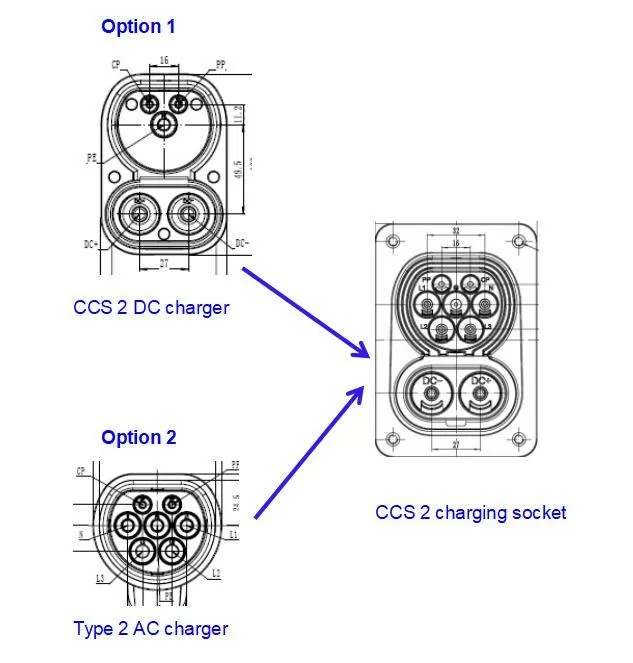
CCS 2 charging is only for DC rapid charging of 50kW or more. The two larger, lower pins on the plug enable the Direct Current connection that forces more electricity into your batteries in less time.
It’s worth checking which CCS 2 rapid charger you’re likely to be using on your journey, since many charge providers currently require you to sign up via an app or website. Doing so in advance can save a lot of hassle.
For businesses and developers in the EV space, understanding the CCS2 charger specification is crucial.
Power Range: While commonly found from 50kW to 350kW, the CCS2 standard is capable of supporting even higher power levels.
CCS2 vs. Others: A common comparison is CCS1 vs CCS2 (the North American and European variants), or GB/T vs CCS2 (the Chinese standard). CCS2's integrated Type 2 base gives it a distinct advantage in the European market.
Applications: Beyond public stations, CCS2 charging is also being deployed for fleet operations, commercial vehicles, and even potential future CCS2 home charger solutions for high-end applications.
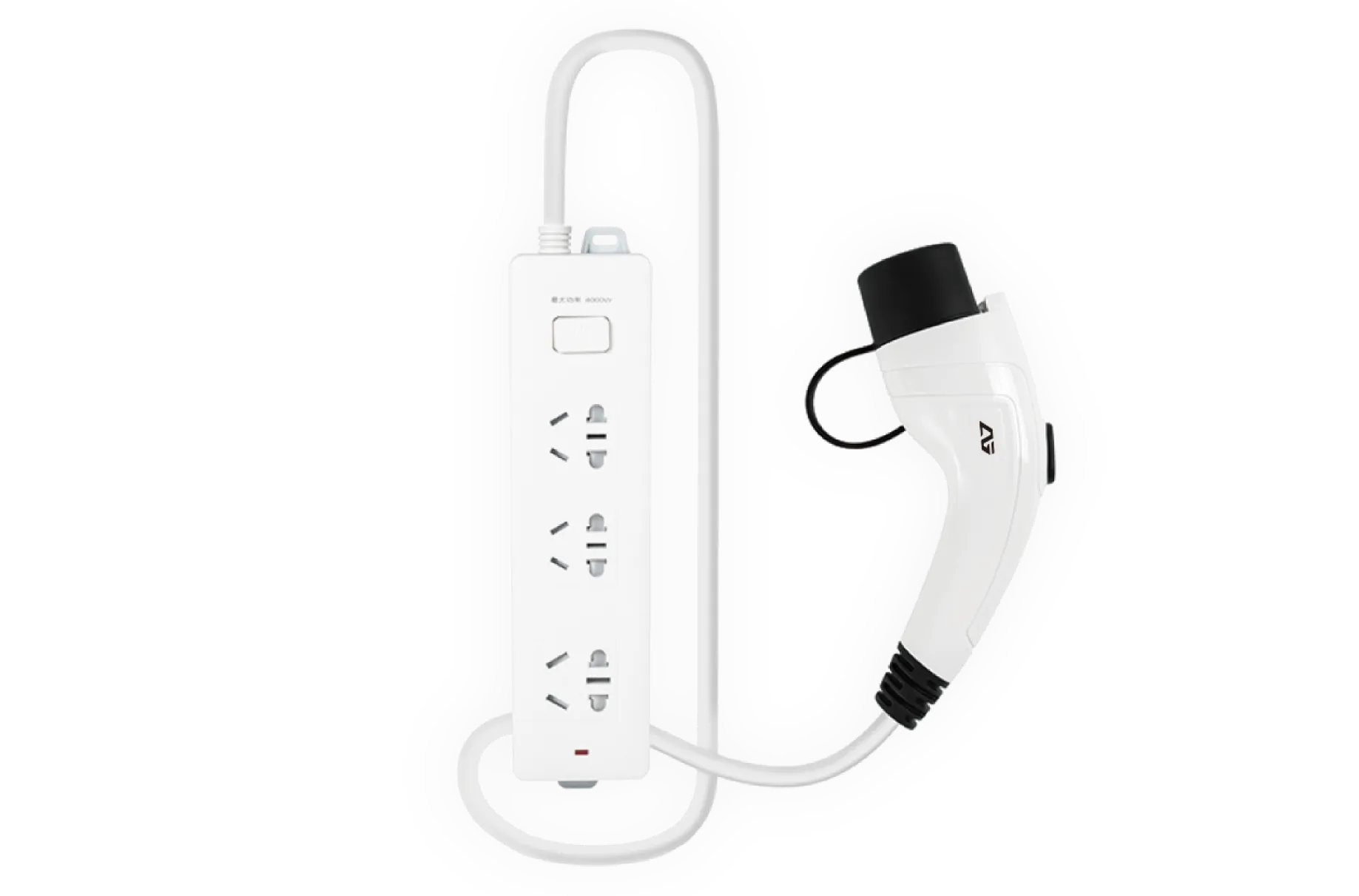
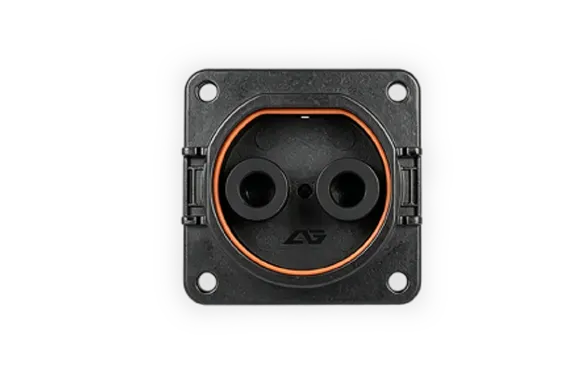
As a professional electric vehicle charging equipment manufacturer, AG Electrical can provide you with different electric vehicle chargers such as Type 1、Type 2 、GB/T、CCS2、CHADEMO and so on.
Also, we provide OEM/ODM service with the completely supply chain from concept design to MP(Mass Production).
As experienced team, we are capable of design and manufacture Industrial products with strict quality control system.
Do not hesitate to contact us if you need to.
Electric vehicle charging standards vary by region, and the three most widely used DC fast-charging systems today are CCS1, CCS2, and GB/T. Understanding their differences is essential for EV manufacturers, charging infrastructure providers, and global fleet operators.
| Standard | Primary Region | AC Charging Interface | DC Fast Charging Power | Typical Applications |
| CCS1 (Combo 1) | North America | Type 1 (SAE J1772) | Up to 350 kW | Passenger EVs in the U.S. and Canada |
| CCS2 (Combo 2) | Europe & Global Markets | Type 2 (IEC 62196-2) | Up to 350 kW and beyond | European EVs, public DC fast-charging stations |
| GB/T | China | GB/T AC | Up to 250 kW (GB/T 20234.3) | Chinese EV market and domestic charging networks |
The main difference between CCS1 and CCS2 lies in the AC connector interface and regional standards.
CCS1 is based on the Type 1 (SAE J1772) AC connector and is primarily used in North America.
CCS2 integrates the Type 2 (IEC 62196-2) AC connector, which supports three-phase AC charging, making it more suitable for the European power grid.
Both CCS1 and CCS2 use the same DC fast-charging concept, with two additional high-power DC pins below the AC interface. As a result, they offer similar DC charging performance, often ranging from 50 kW to 350 kW, depending on the charger and vehicle capability.
In short:
CCS1 = North American standard
CCS2 = European and global standard with broader AC compatibility
When comparing GB/T vs CCS2, the key distinction is market focus and standardization.
GB/T is the mandatory national charging standard in China, defined by GB/T 20234 and related protocols.
CCS2 is the dominant standard across Europe and many international markets, supported by major global automakers.
From a technical perspective:
GB/T uses a separate AC and DC connector design, while CCS2 combines AC and DC charging into a single vehicle inlet.
CCS2 is more widely adopted outside China, making it the preferred choice for cross-border EV deployment and international charging infrastructure.
Choose CCS1 if your vehicles or charging products are targeting North America.
Choose CCS2 for Europe, the Middle East, Australia, and most global markets.
Choose GB/T if you are serving the Chinese domestic EV market.
For manufacturers and system integrators operating globally, CCS2 offers the greatest flexibility, especially when combined with custom charging cables, connectors, or adapters.
OEM/ODM service

CCS2 stands for “Combined Charging System Type 2.”
It is a European electric vehicle charging standard that combines Type 2 AC charging and DC fast charging into a single vehicle inlet. CCS2 is officially defined by IEC 62196-2 and IEC 62196-3 standards and is widely used across Europe and many global markets.
CCS2 supports both AC and DC charging.
For AC charging, CCS2 uses the Type 2 (IEC 62196-2) interface, commonly found on home wallboxes and public AC chargers.
For DC fast charging, CCS2 uses two additional high-power DC pins, enabling rapid charging at power levels from 50 kW up to 350 kW or higher.
This dual-function design is what makes CCS2 a “combined” charging system.
Yes, CCS2 can be used for home charging via its Type 2 AC interface.
In a home environment, EVs equipped with a CCS2 inlet typically charge using a Type 2 AC charger or wallbox, not DC fast charging. DC CCS2 chargers are generally installed at public or commercial charging stations due to their high power requirements.
Most electric vehicles sold in Europe use CCS2 charging.
This includes many models from major automakers such as Volkswagen Group, BMW, Mercedes-Benz, Audi, Porsche, Volvo, Hyundai, Kia, and Ford (EU models). CCS2 has become the standard charging interface for new electric cars in Europe and is increasingly adopted in other regions worldwide.
The difference between CCS and Type 2 lies in functionality:
Type 2 is an AC-only charging connector, primarily used for home and public AC charging.
CCS2 is based on the Type 2 connector but adds two DC fast-charging pins, allowing both AC and DC charging through the same vehicle inlet.
In simple terms, Type 2 is part of CCS2, while CCS2 is an extended system designed for fast DC charging as well as standard AC charging.