Since the network of public electric vehicle charging facilities in most countries is still relatively poor, most electric vehicle owners choose to charge at home. With the development of technology, it is easy to charge electric vehicles at home, such as installing wall mounted EV chargers or installing solar panels to supplement EV Batteries. Nowadays, all electric vehicles are equipped with a method of connecting to the power grid.
Technically speaking, most of the charging stations that convert AC (Alternating Current) into DC(Direct Current) have been built into vehicles. Most electric vehicle models include a basic 110 V charging device that can be plugged into a standard power socket through a traditional three-hole plug. It is called Level 1 charging. Assuming that your garage is already equipped with basic power service, this is the cheapest way. Unfortunately, it is also the slowest. Depending on the vehicle and battery capacity, it may take 8 to 24 hours to fully charge the battery.
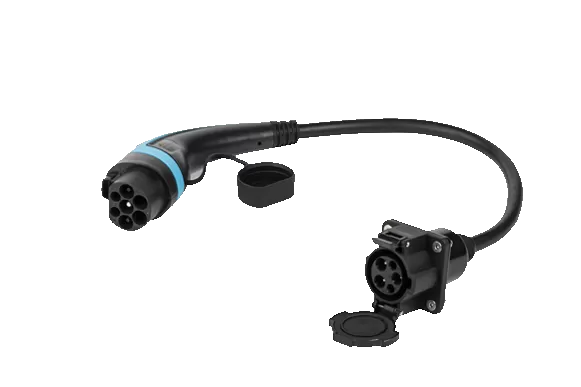
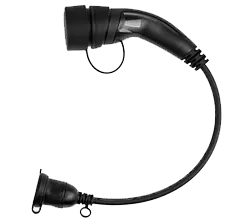
Therefore, a better choice for you is to ask an electrician to install a special 240 V circuit to use the so-called Level 2 charging - just like those used for electric clothes dryers. This can replenish the depleted battery in about four hours. Of course, you also need to buy an external Type 2 car charging cable for use.
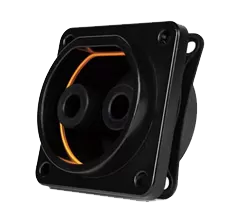
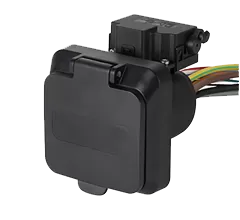
In general, there are two basic types of Level 2 charging systems, plug-in portable and wall mounted EV chargers, which can be directly connected to the cable at home. In addition, it should be noted that before charging, you need to ensure that the power socket or wall mounted charger is located near the connection port of the vehicle. The charger cable is usually about 15 to 25 feet in length, but may not meet the requirements if the port of the car is located at the other end of the garage. If that is the case, you may need an electrician to extend the cable near the charging port of the car.