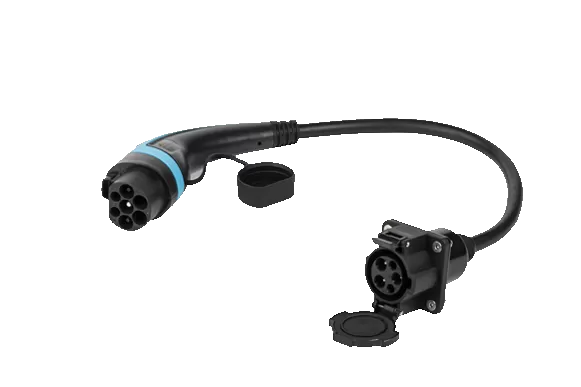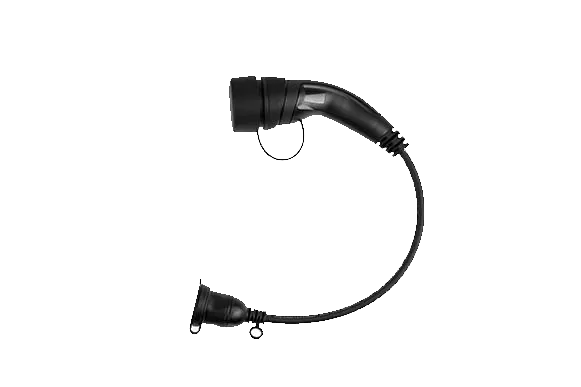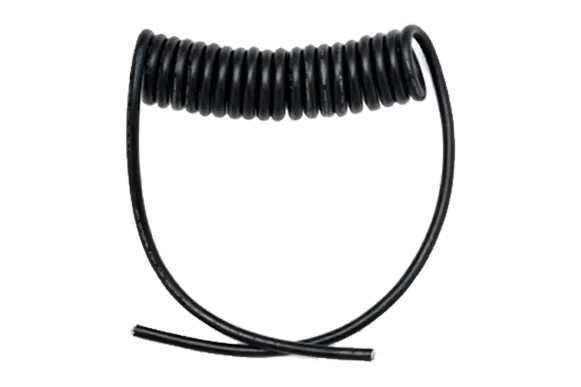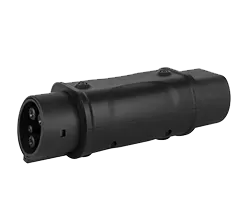
Electric vehicles rely on electricity to drive the car, so the battery needs to be charged after a period of use if there is no power. When it comes to charging electric vehicles, we have to mention the charging cables of electric vehicles. Next, we will briefly introduce the requirements of electric vehicle charging cables.
1. Functional requirements
The electric car charging cable is the carrier connecting the electric vehicle and the charging pile, whose primary function is to transmit electric energy. However, with the development of charging technology, it is necessary to communicate between the electric vehicle and the charging pile and perform automatic control when necessary to better complete the charging process. Therefore, the charging process puts forward higher requirements on the charging cable of electric vehicles. The charging cable needs to transmit power and the vehicle's status and information and the power battery to the charging pile for real-time interaction. Under necessary conditions, the charging actions are controlled to complete the charging process safely and reliably.
2. Security requirements
At present, the safety of electric vehicles has become a vital focus of the ev charging equipment manufacturers industry. Due to the long charging time, high current intensity, and high frequency of cable use, the safety of the charging and discharging process of electric vehicles should be highly valued. To ensure good insulation performance, electric vehicle charging cables should have high heat resistance and aging resistance. At the same time, they should have good low-smoke flame-retardant properties when burned to ensure that losses and damage are reduced to the lowest.
Considering the mechanical performance requirements, electrical performance requirements, safety, environmental protection, and service life of charging cables, new low-smoke halogen-free flame-retardant materials, polyester elastomers, polyurethane materials, etc. are more suitable for charging cables. Insulating materials and sheath materials have become the main direction for developing electric vehicle charging equipment manufacturers.