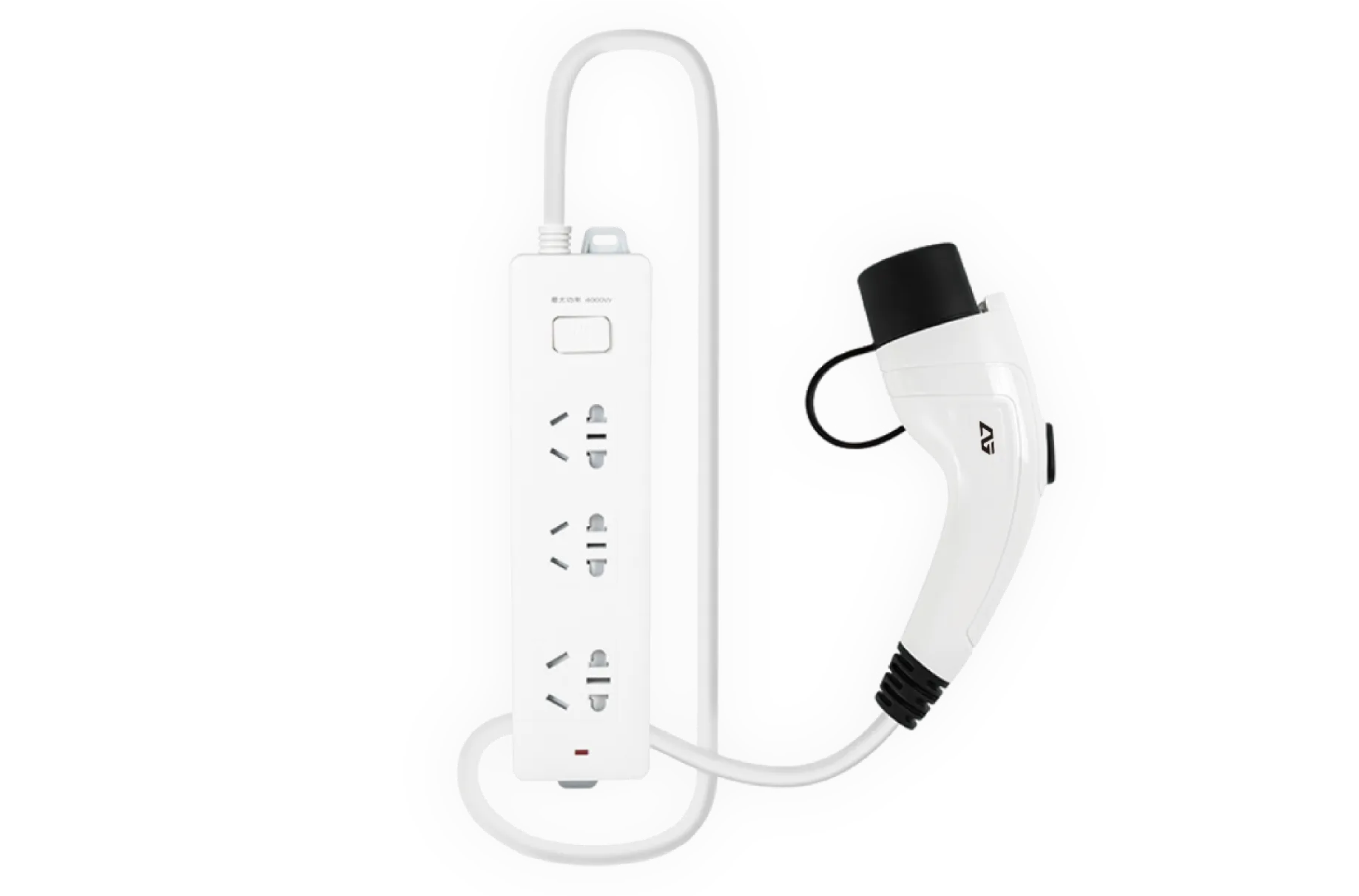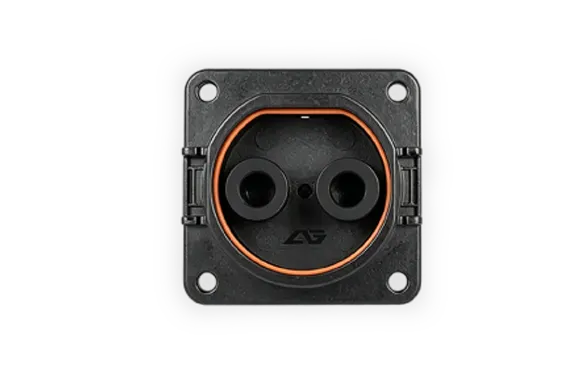
On September 7, 2023, new GB standards for charging systems for electric vehicles were published. Many components of such charging systems usually require CCC certification in order to be approved for the Chinese market.
The new standards are:
GB/T 18487.1-2023 Conductive Charging System for Electric Vehicles – Part 1: General Requirements and
GB/T 27930-2023 Digital Communication Protocols Between On-Board Conductive Charger and Electric Vehicle
These have now come into force on 1 April 2024.
At the same time, the approval authority CQC (China Quality Certification Center) has published the following implementing regulations regarding the certification of e-mobility charging systems:
CQC14-464232-2022 Certification Requirements for Off-Board Electric Vehicle Chargers
CQC14-464233-2022 On-Cable Control and Protection Devices (IC-CPD) für Elektrofahrzeuge
CQC14-464234-2022 for AC Electric Vehicle Charging Stations
GB/T 27930 is the Chinese standard for electric vehicle battery charging. Other charging systems include the Combined Charging System (CCS) favored by European and American manufacturers, the CHAdeMO charging standard developed by a Japanese industrial consortium and Tesla’s Supercharger.
The GB/T 27930 charging standard for cable and conductive charging developed in China is suitable for both electric vehicles (EV) and hybrid electric vehicles (HEV) alike. The GB standard (Guobiao, or “national standard” in Chinese) was published by the China Electricity Council (CEC). A separate specification for inductive or wireless charging was published by the CEC as GB/T 38775.
Cable charging standard GB/T 27930 is based on the SAE J1939 network protocol and uses the CAN bus with a point-to-point connection between the charger and the battery management system (BMS).