As electric vehicle (EV) adoption hits record numbers in 2026, single-family homeowners enjoy the simplicity of plugging into a dedicated wallbox overnight. However, for residents living in apartments, condominiums, and multi-unit residential buildings (MURBs), deploying an EV home charging setup remains complex. Shared electrical infrastructure, grid capacity limitations, and property management restrictions often present significant logistical bottlenecks.
To establish an efficient, scalable charging network in multi-family dwellings, stakeholders must leverage modern smart energy management technologies, high-durability infrastructure, and standardized connectivity hardware. This guide outlines the best multi-unit EV charging hardware configurations, structural setups, and compliance baselines necessary for apartment owners and landlords in 2026.
Implementing an infrastructure network in a shared building generally falls into three main architectural topologies:
Property managers install a dedicated group of cluster chargers in communal parking zones. Residents reserve charging time blocks via a mobile app. This setup is cost-effective but requires high-capacity commercial CCS 2 chargers or globally certified standard charging piles to handle high daily vehicle turnover.
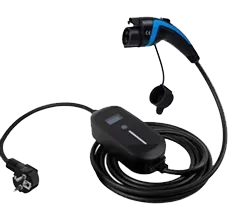
Each resident’s private parking stall is wired directly to their personal residential electric meter or a centralized sub-metering panel. This gives the tenant full control over their power consumption, allowing them to utilize their own preferred hardware, such as a localized Level 2 AC station paired with a premium Type 2 charging cable for rapid overnight replenishment.
The most future-proof setup for 2026. Automated Load Management Systems (ALMS) continuously monitor the apartment building’s real-time power grid consumption. When building electricity usage peaks (e.g., early evening), the system dynamically throttles power to the connected vehicles, preventing circuit overloads without requiring expensive electrical service upgrades from the utility provider.
Selecting the optimal deployment matrix requires analyzing installation costs, user scaling capacity, and electrical infrastructure longevity:
EV Charging Infrastructure Setup | Average Initial Cost | Best Material Applications | Power Management Profile | Scalability Level |
Shared Commercial Amenity | Medium to High | Public Garages, Guest Parking Slots | High-speed Commercial DC/AC Smart Piles | Medium (Limited by physical parking spaces) |
Deeded Individual Metering | High (Upfront Wiring) | Dedicated Assigned Resident Stalls | Individual Unit Meter (No shared control) | Low (Each unit requires a dedicated copper run) |
Smart Load Shedding Network (ALMS) | Optimal Long-Term ROI | Enterprise Residential & MURBs | Dynamic Grid-Aware Load Profiling | Maximum (Easily expanded to hundreds of stalls) |
To ensure long-term physical durability and safety within enclosed or semi-exposed multi-unit apartment garages, all cabling, connectors, and adapters must adhere strictly to modern international specifications:
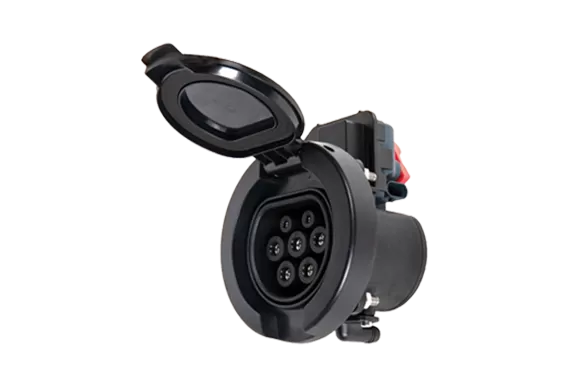
Standardization Baselines: Multi-unit installations should exclusively deploy connectors and infrastructure built to certified standards. This includes compliance with IEC 62196-1 and IEC 62196-2 global criteria to guarantee total interoperability across various European and Asian electric vehicle models.
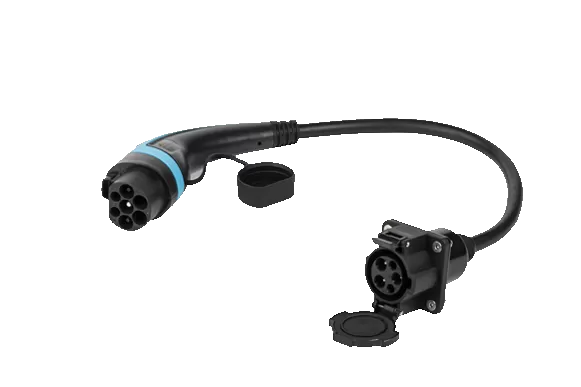
Flexible Layout Adaptation: Because designated parking spaces in underground apartment garages are often located far from the main electrical junction panel, standard manufacturer charging cables may not comfortably reach the vehicle's charge port. In these configurations, using a heavy-duty, weather-resistant Type 2 EV extension cable becomes mandatory to maintain circuit safety without compromising high-current transmission.
Future Emergency Energy Integration: Forward-thinking residential buildings in 2026 are increasingly reviewing bidirectional infrastructure. Setting up bidirectional systems enables residential properties to integrate Vehicle-to-Load (V2L) technology, turning parked tenant vehicles into an active emergency backup grid during municipal blackouts.
Answer: Yes. By utilizing smart commercial hardware connected via OCPP (Open Charge Point Protocol) and paired with proprietary cloud software, building management can accurately log exact kilowatt-hour (kWh) usage per tenant. Users authenticate sessions via RFID cards or smartphone apps, allowing automated, seamless monthly billing directly to the resident's account.
Answer: While Level 1 charging (1.4 kW) via traditional wall outlets is highly inefficient, the benchmark for multi-unit buildings is a Level 2 AC charging setup (7.4 kW to 22 kW). Utilizing an industry-standard Type 2 architecture allows most electric vehicles to achieve a full charge within 4 to 8 hours overnight, maximizing the daily utility cycle of the parking spot.
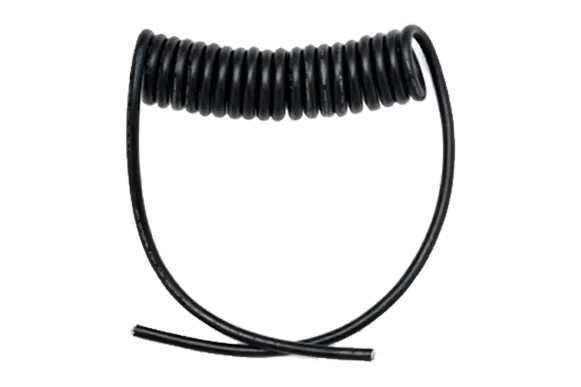
Answer: Fire and safety codes dictate that all charging cables must possess high thermal resistance, premium TPU jacketing, and robust ingress protection (minimum IP55 or IP67 ratings). Furthermore, to prevent tripping hazards or structural physical damage in shared walkways, setups should implement overhead spring-loaded cable retractor systems or secure cable management tracks.
As a premier global manufacturer certified to IATF 16949 and ISO 9001 standards, AG Electrical Technology Co., Ltd. designs, manufactures, and supplies heavy-duty EV charging cables, connectors, and accessories tailored for demanding commercial and multi-unit residential environments.
Whether you are an electrical contractor upgrading an urban apartment complex or an EVSE distributor expanding your wholesale product pipeline in 2026, our technical engineering division offers fully customized production runs to meet precise regional regulatory demands.
Corporate Procurement Email: xuejj@ag-elec.com
Engineering Consultation Desk: Contact Us