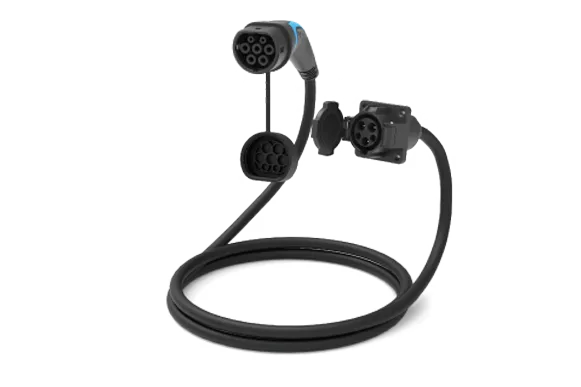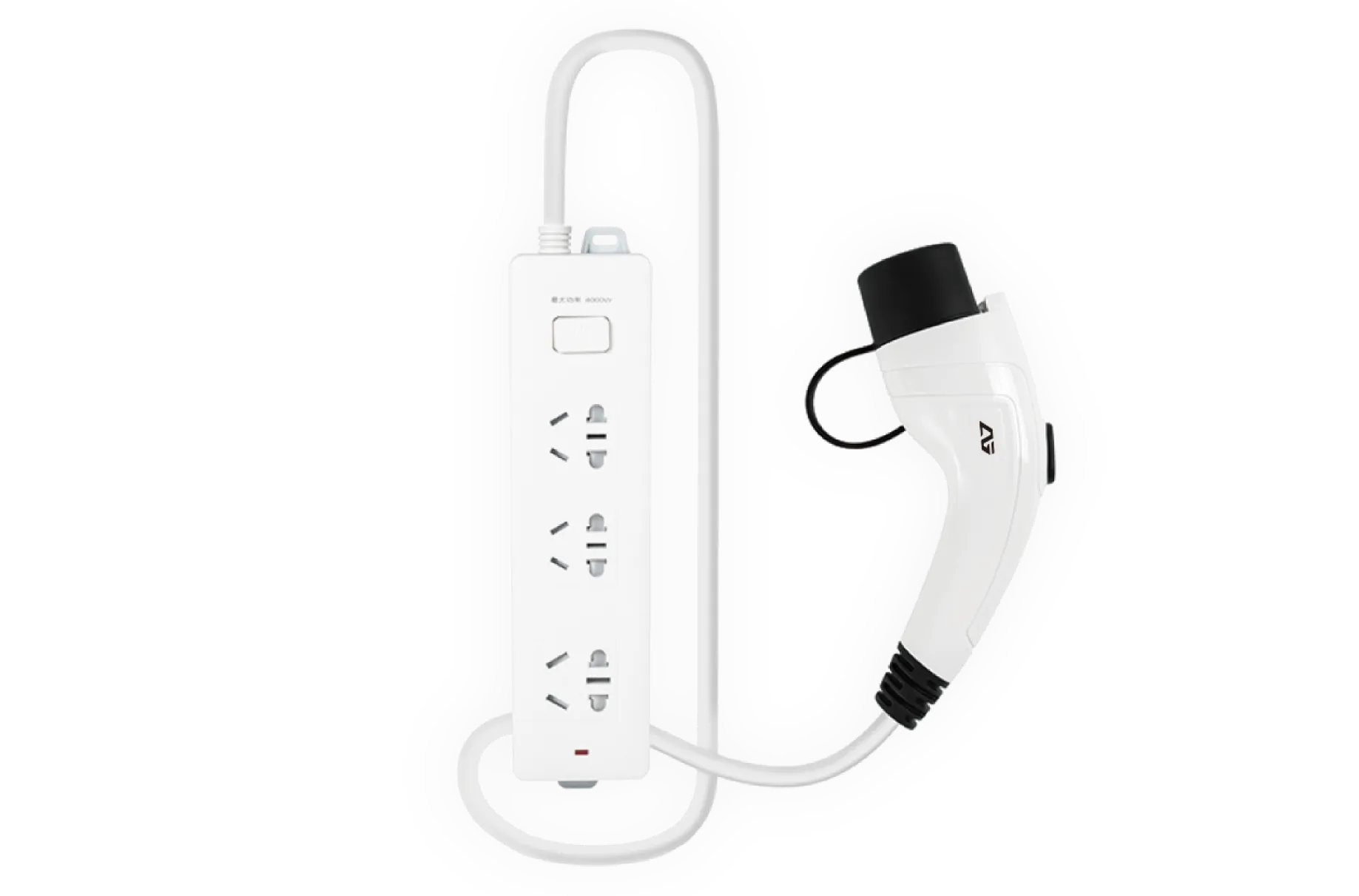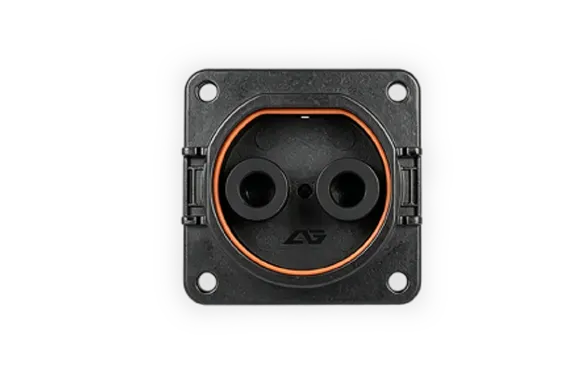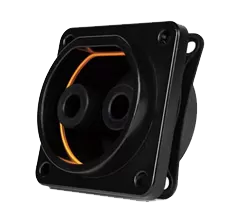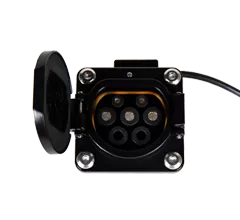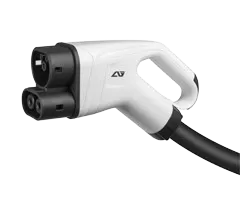
Selecting the right type 2 charging cable is an important decision for EV charging projects, whether the application is residential charging, workplace charging, or public charging infrastructure. A suitable cable must match the vehicle connector, charging power requirements, installation environment, and safety expectations.
Unlike choosing a cable based only on appearance, EV charging cable selection requires consideration of current rating, phase configuration, cable length, connector standards, and daily usage conditions.
For charging equipment manufacturers, operators, and end users, understanding these factors helps improve charging reliability and avoid compatibility issues.
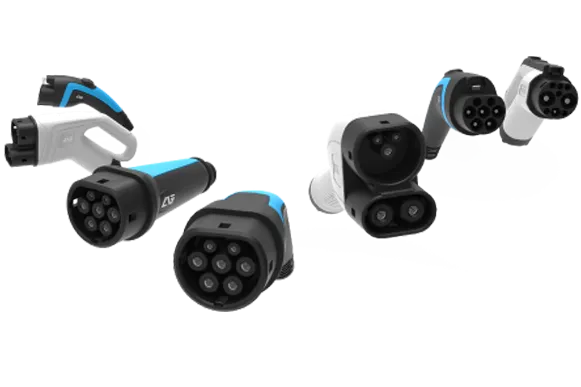
A type 2 charging cable is an EV charging cable designed for vehicles and charging equipment using the Type 2 connector standard. It is widely used in Europe and many international markets for AC charging applications.
The Type 2 connector supports different charging capacities depending on the cable design, electrical configuration, and charging equipment. It is commonly used with home chargers, workplace charging stations, and public AC charging points.
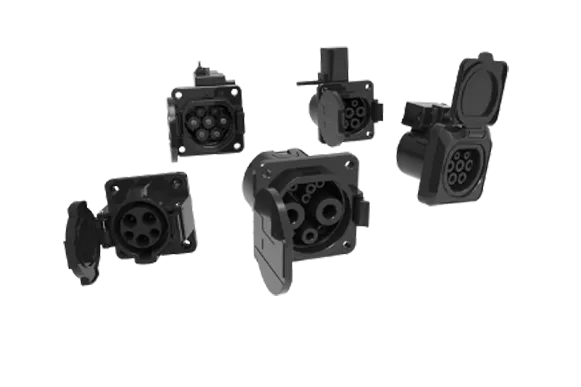
Type 2 charging connectors are covered by international requirements such as the IEC 62196 EV charging connector standard, which defines requirements for plugs, socket-outlets, vehicle connectors, and vehicle inlets.
A complete Type 2 charging solution typically includes the vehicle connector, charging cable, control communication components, and protective features designed to ensure safe power transfer.
For EV infrastructure projects, selecting the correct cable specification is essential because the cable directly affects charging performance, safety, and user experience.
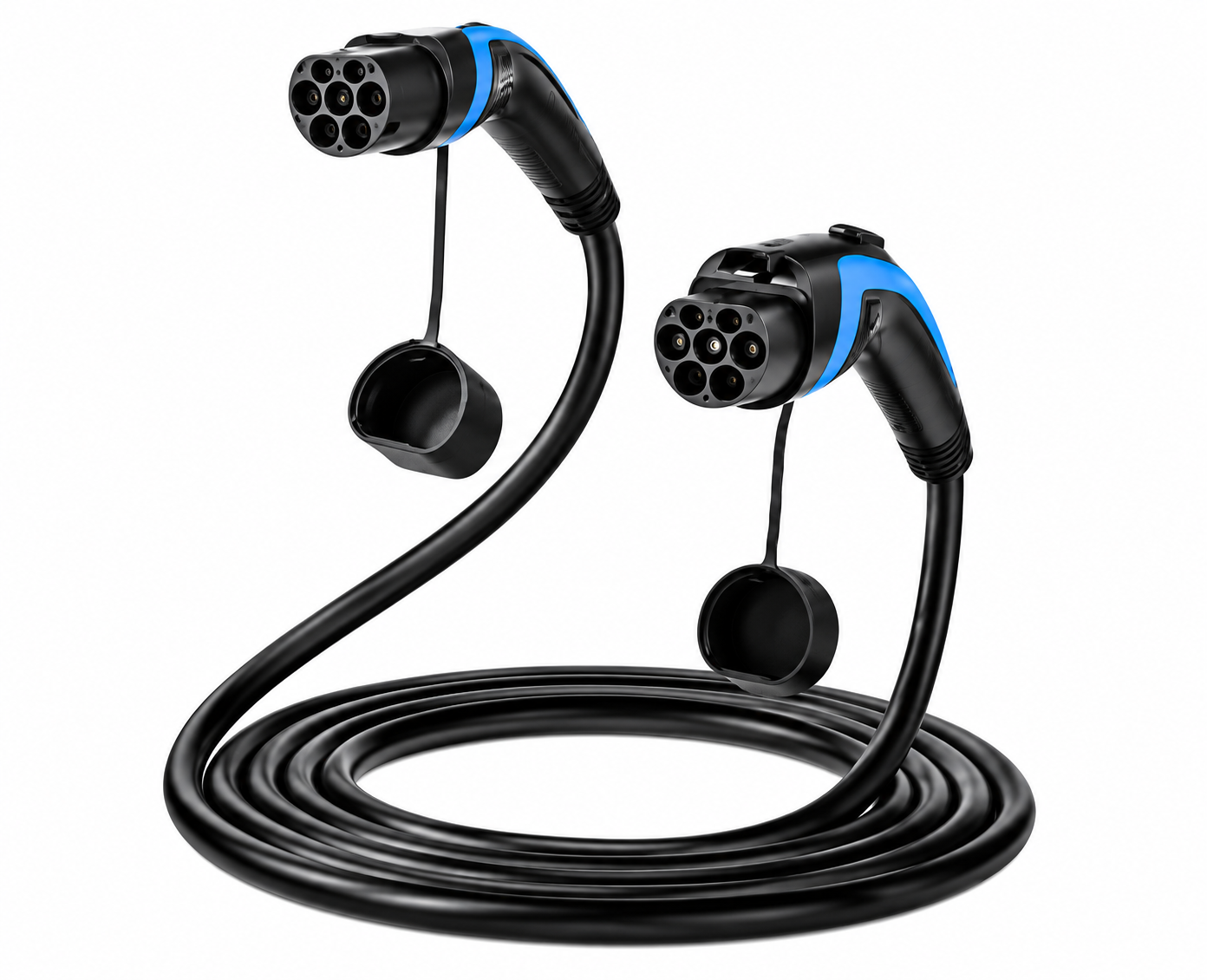
Type 2 charging cables are available in different configurations depending on how the vehicle connects to the power source.
The most common configuration is the Type 2–Type 2 cable, which connects an EV with a dedicated charging station equipped with a Type 2 socket. This configuration is widely used in commercial and public charging environments.
Mode 2 and Mode 3 charging cables have different application characteristics. Mode 2 cables are generally used for charging from standard electrical outlets and include additional safety control functions. Mode 3 cables are designed for dedicated EV charging equipment and provide communication between the vehicle and charging station.
Charging modes and system requirements are defined in standards such as the IEC 61851 EV conductive charging system requirements, which provides guidance for EV charging system operation.
The selection between these configurations depends on the charging environment, available infrastructure, and required charging performance.
| Cable Type | Typical Application | Main Feature |
| Type 2–Type 2 | Public and workplace charging | Connects EV directly to Type 2 charging stations |
| Mode 2 Cable | Home charging from outlets | Includes safety control functions |
| Mode 3 Cable | Dedicated EV chargers | Designed for controlled AC charging |
Electrical specifications are among the most important factors when selecting a type 2 charging cable. The cable must support the required current and charging power while maintaining safe operating temperatures.
Current rating determines how much electrical power the cable can transfer. Common Type 2 cables are available in different current levels, depending on whether the application requires standard AC charging or higher-power charging.
Phase configuration also affects charging capability. Single-phase charging is common in residential environments, while three-phase charging is often used in commercial or industrial applications where higher charging capacity is required.
Cable length is another important consideration. A longer cable provides more flexibility during parking and installation but may increase weight and storage requirements.
When evaluating an ev charging cable specification, buyers should consider:
Rated current and voltage
Single-phase or three-phase compatibility
Cable length requirements
Connector quality
Operating environment
Temperature and durability requirements
Choosing the correct balance between flexibility and electrical performance helps ensure reliable charging operation.
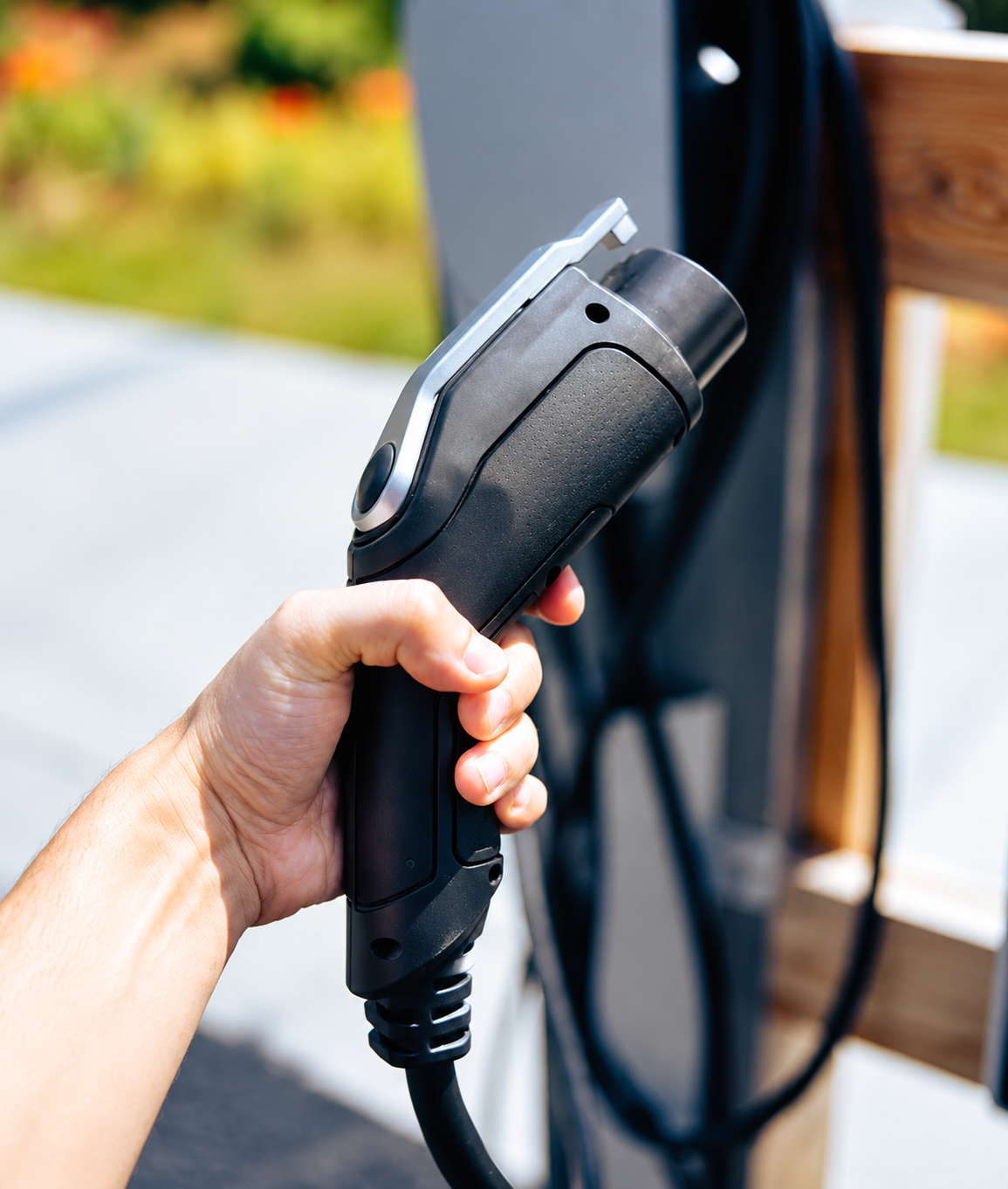
A common misunderstanding is that a standard household extension lead can replace an EV charging cable. However, EV charging involves continuous high-power electrical loads, which require dedicated components designed for this purpose.
A professional type 2 charger cable is engineered with appropriate conductors, insulation materials, connectors, and safety features for EV applications.
Household extension leads may not provide the necessary current capacity, protection, or durability required for regular EV charging. Using unsuitable equipment can increase safety risks and reduce charging reliability.
For this reason, EV users and project developers should select purpose-designed charging cables rather than adapting general electrical accessories.
Choosing the right charging cable depends on where and how it will be used. Different environments require different cable specifications and durability levels.
Before purchasing, buyers should evaluate:
Vehicle and charger compatibility
Required charging speed
Cable length and storage method
Connector standard
Weather resistance
Safety certification
Supplier support capability
For home charging, convenience and cable flexibility are often important factors. Workplace and public charging projects usually require higher durability because the equipment experiences more frequent use.
AG Electrical provides EV charging cable solutions for different application scenarios, helping customers evaluate suitable cable configurations based on charging requirements and installation conditions.
For large-scale projects, working with an experienced supplier can also improve procurement efficiency and ensure consistent product quality.
Selecting the right type 2 charging cable requires more than confirming connector compatibility. Current rating, phase configuration, cable length, charging mode, and safety requirements all influence cable performance and long-term reliability.
Understanding the differences between Type 2–Type 2 cables, Mode 2 cables, and Mode 3 cables helps buyers choose solutions that match their charging environment.
By evaluating technical specifications and working with reliable suppliers, EV charging projects can achieve safer operation, better charging performance, and easier long-term maintenance.
A type 2 charging cable is an EV charging cable designed for vehicles and charging equipment using the Type 2 connector standard, which is widely used in many international markets.
Type 2–Type 2 cables connect EVs directly to Type 2 charging stations, while Mode 3 cables are designed for dedicated charging equipment with controlled communication functions.
The correct ev charging cable specification depends on charging current, voltage, phase configuration, cable length, connector type, and application environment.
A standard household extension lead is generally not designed for continuous high-power EV charging. A dedicated charging cable is recommended for safe and reliable operation.
Cable length can affect weight, handling, and electrical performance. Buyers should select a length that provides sufficient flexibility without unnecessary excess.
An ev charging cable extension refers to a cable designed to extend charging distance. It should only be used when compatible with the charging system and approved for EV applications.
This is the last one.