Selecting the right charging connector is an important decision for EV charging infrastructure projects. As electric vehicle adoption continues to expand globally, understanding CCS1 vs CCS2 has become increasingly important for charging station manufacturers, fleet operators, and infrastructure developers.
Both CCS1 and CCS2 belong to the Combined Charging System (CCS) family and combine AC and DC charging functions into one connector architecture. However, their mechanical designs, regional adoption, and application requirements are different.
For companies developing EV charging projects, selecting suitable CCS connectors requires careful evaluation of vehicle compatibility, charging requirements, safety standards, and future expansion plans. The correct connector choice can improve charging reliability and reduce integration challenges.
Industry organizations such as CharIN (Charging Interface Initiative) provide technical guidance related to CCS standardization and global charging interoperability.
CCS1 and CCS2 are two major versions of the Combined Charging System designed for electric vehicle charging. Both systems extend traditional AC charging interfaces by adding DC charging contacts, allowing vehicles to support higher-power charging through a single connector.
The primary difference between CCS1 and CCS2 is the AC connector design and regional application.
CCS1 uses a Type 1 AC connector and is mainly adopted in North America. CCS2 uses a Type 2 AC connector and is widely used in Europe and many other international markets. Although both support DC fast charging, their physical interfaces are not interchangeable.
For EV charging projects, the choice between CCS1 and CCS2 should be based on the target market, vehicle compatibility, charging regulations, and infrastructure requirements.
Understanding these differences at the beginning of a project helps avoid compatibility issues during installation and future operation.
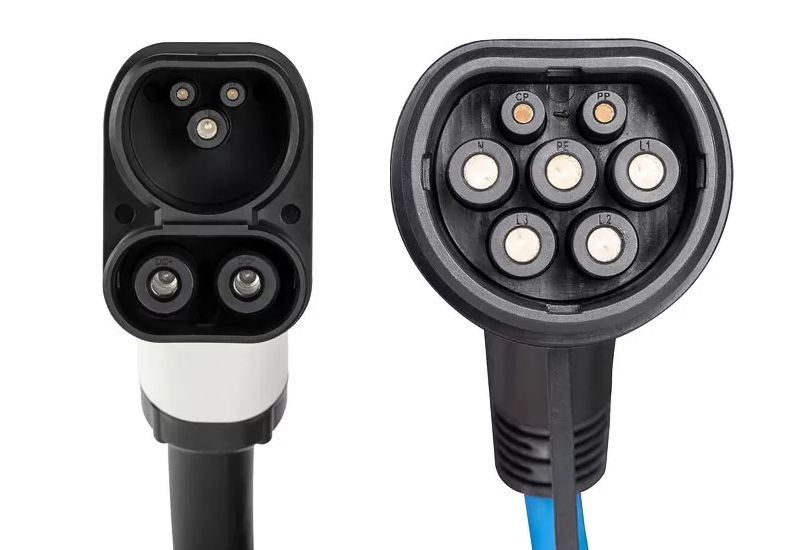
The comparison of CCS1 vs CCS2 mainly involves connector structure, regional charging standards, and system compatibility.
CCS1 is built around the Type 1 AC charging interface, which is commonly associated with single-phase charging applications. CCS2 is based on the Type 2 connector design, which supports both single-phase and three-phase AC charging depending on the system configuration.
| Feature | CCS1 | CCS2 |
| Main Application Region | North America | Europe and many global markets |
| AC Connector Design | Type 1 | Type 2 |
| DC Fast Charging | Supported | Supported |
| AC Charging Capability | Mainly single-phase | Single-phase and three-phase support |
| Physical Compatibility | CCS1 vehicles and chargers | CCS2 vehicles and chargers |
For international charging infrastructure, connector selection should consider not only current vehicle requirements but also future market expansion. A charging network designed for one region may require different components when deployed in another market.
Selecting suitable CCS connectors helps ensure better compatibility between charging equipment and electric vehicles.
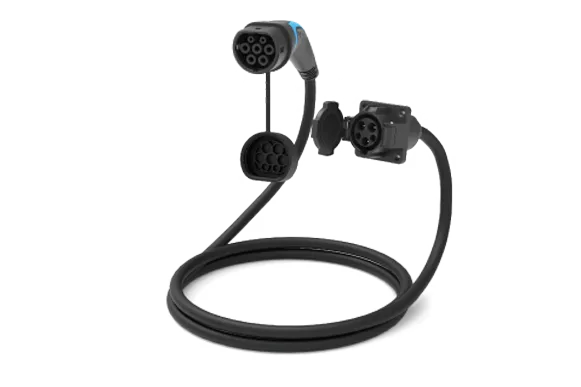
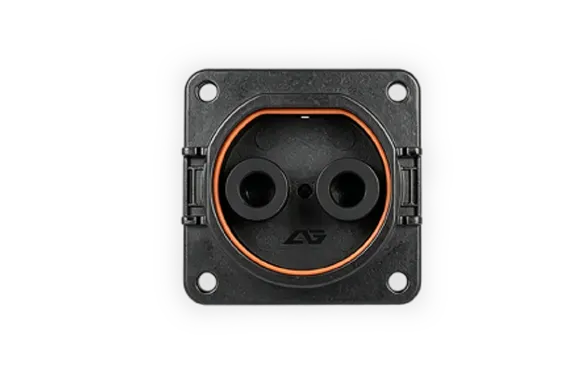
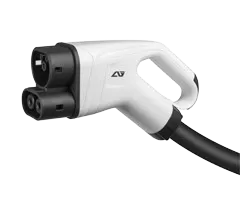
A CCS charging system includes several important components, including the charging plug, vehicle socket, and cable assembly. Each component has a different role in ensuring reliable power transfer between the charging station and the vehicle.
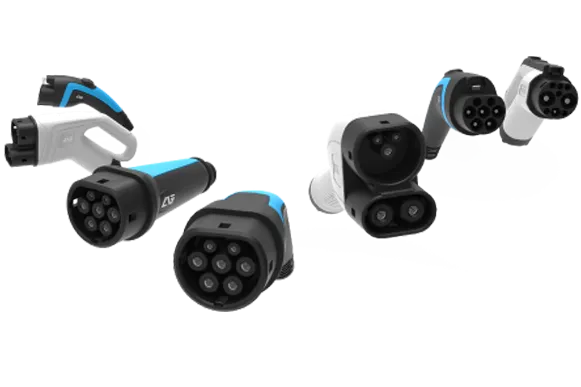
The CCS plug is the user-facing component connected to the vehicle during charging. It must provide stable electrical contact, mechanical durability, and safe operation during repeated charging cycles.
CCS plug and socket designs follow internationally recognized requirements, including the IEC 62196 EV charging connector standard for plugs, socket-outlets, vehicle connectors, and vehicle inlets.
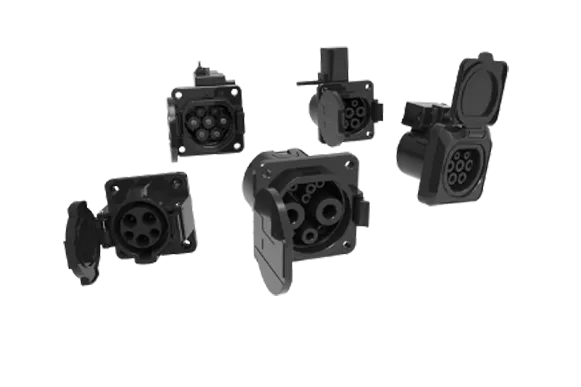
The socket determines physical compatibility with the vehicle or charging equipment, while the cable assembly affects current capacity, flexibility, and installation convenience.
When selecting components, project developers should consider the complete charging system rather than choosing a connector separately. Plug type, socket design, cable specifications, and charging power should all work together to achieve reliable operation.
AG Electrical provides EV charging component solutions for different charging applications, helping customers evaluate suitable connector configurations based on project requirements.
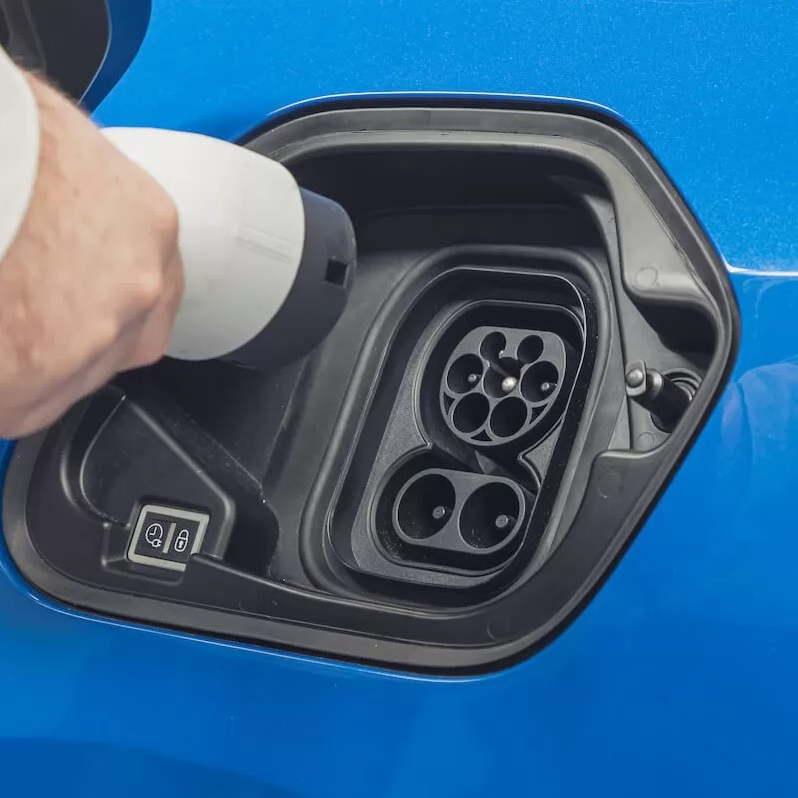
As EV charging power increases, connector performance becomes more important. High-current charging creates additional thermal challenges, which means charging components must be designed for electrical reliability and safe heat management.
Important factors to evaluate include:
Current and voltage rating of the connector system
Thermal management requirements during high-power charging
Cable size, flexibility, and installation environment
Contact reliability and protection performance
The required CCS charging speed depends on multiple factors, including charger output capability, vehicle battery system, connector rating, and thermal control design.
For high-power charging applications, selecting a connector only based on maximum power is not enough. Engineers should also evaluate operating conditions, charging frequency, and long-term durability requirements.
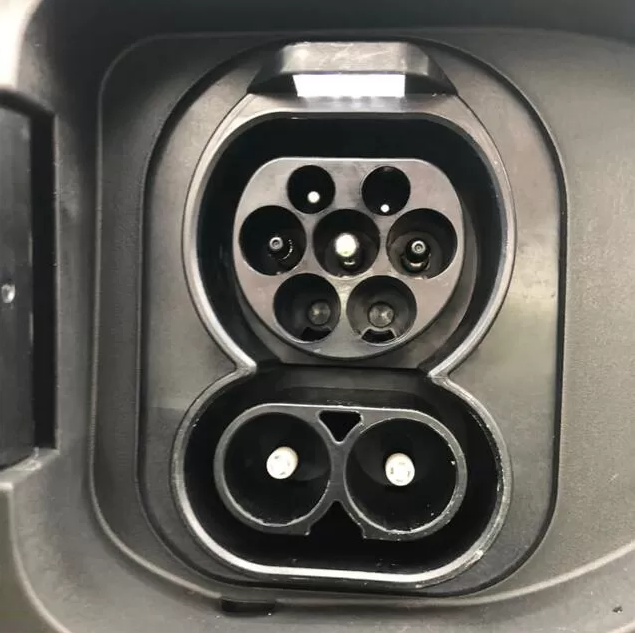
For EV charging infrastructure projects, procurement decisions directly affect installation efficiency, maintenance requirements, and long-term system reliability.
Before selecting CCS components, buyers should review:
CCS1 or CCS2 compatibility according to target market
Electrical specifications including voltage and current ratings
Connector lifecycle and durability requirements
Safety certifications and testing documentation
Supplier production capability and technical support
A reliable supplier should provide detailed product information, quality documentation, and support during project development.
For charging station manufacturers and infrastructure operators, working with an experienced supplier such as AG Electrical can simplify component selection and improve supply chain reliability.
Understanding CCS1 vs CCS2 is essential for companies developing EV charging infrastructure. While both systems provide combined AC and DC charging capabilities, their connector designs, regional adoption, and compatibility requirements are different.
Choosing suitable CCS connectors, plugs, sockets, and cable assemblies requires consideration of charging standards, power requirements, safety factors, and future project needs.
By evaluating technical requirements before procurement, EV charging projects can achieve better reliability, easier maintenance, and improved long-term performance. Working with experienced suppliers can also help businesses select suitable components and reduce integration risks.
The main difference between CCS1 vs CCS2 is the connector design and regional adoption. CCS1 is mainly used in North America, while CCS2 is widely used in Europe and other international markets.
No. CCS1 and CCS2 use different physical connector designs, so they are not directly interchangeable unless compatible charging systems and vehicle interfaces are available.
Both CCS1 and CCS2 can support high-power DC charging. Actual CCS charging speed depends on charger output, vehicle battery capability, connector rating, and thermal management performance.
A CCS charging system typically includes the charging plug, vehicle socket, cable assembly, communication system, and related electrical components.
The choice depends on the target market, vehicle compatibility, charging standards, and project requirements. Developers should confirm regional requirements before selecting components.
High-quality CCS connectors help improve charging reliability, electrical safety, user experience, and long-term equipment performance.