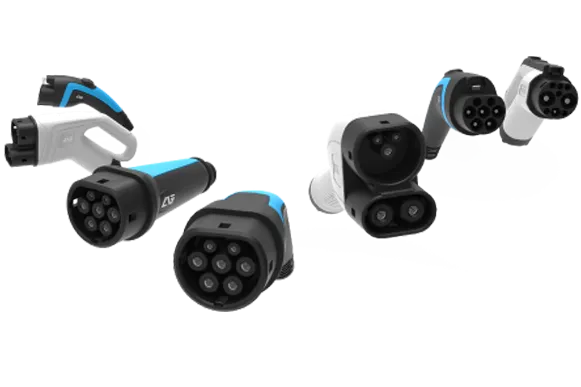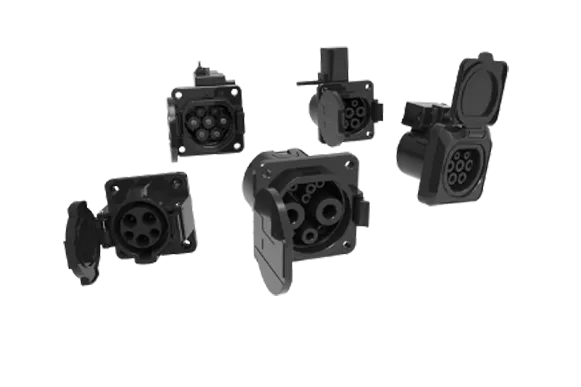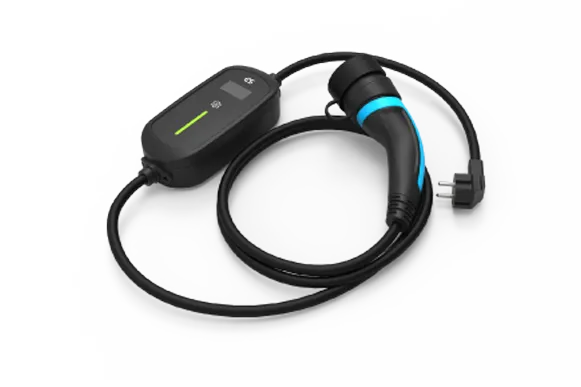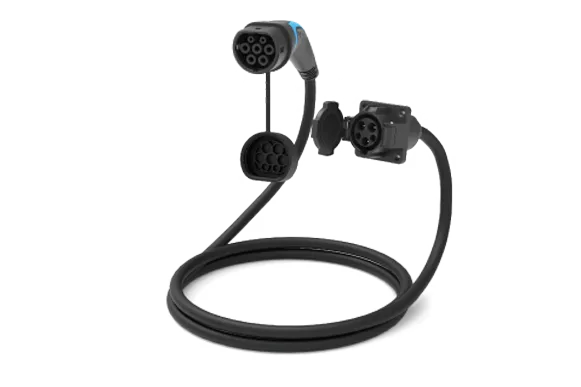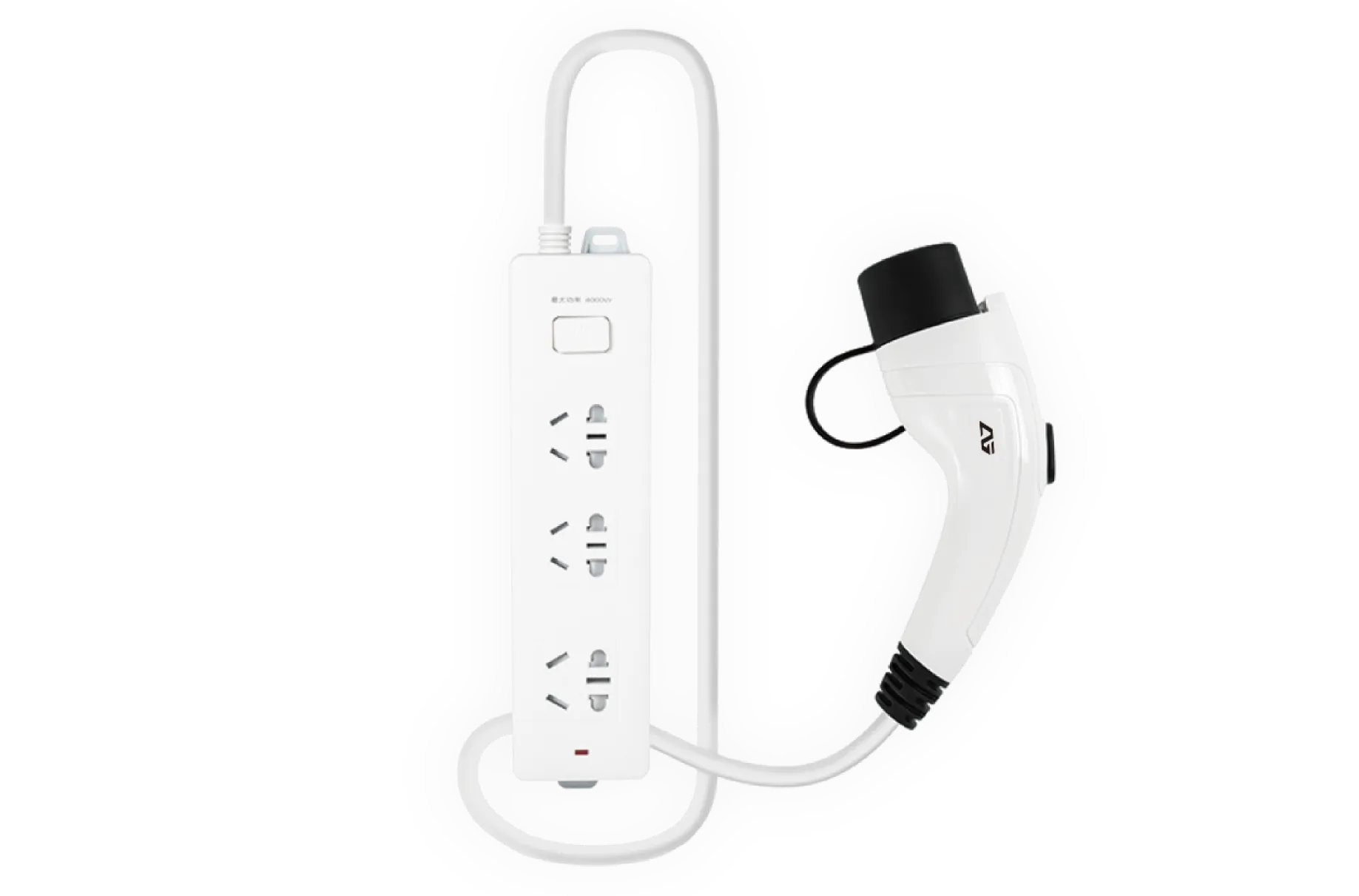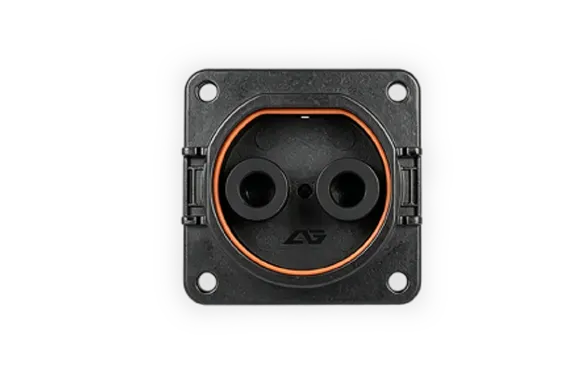
Type 2 AC charging, also known as Type 2 charging, is an important charging method in the field of electric vehicle charging. It refers to the use of charging guns and charging piles that comply with the IEC 62196-2 standard to charge electric vehicles through an AC power source.
High output power
Compared to Type 1 charging (usually with an output power of 1kW~7.5kW), Type 2 AC charging increases the output power, thereby improving the charging speed. Whether it's a single-phase AC power source or a three-phase AC power source, Type 2 AC charging can provide faster charging speeds, typically 5-7 times faster than Type 1 charging.
Strong compatibility
Due to adherence to the unified IEC 62196-2 standard, Type 2 AC charging and charging piles have broad compatibility, able to adapt to a variety of brands and models of electric vehicles.
Safe and reliable
Type 2 charging guns and charging piles are designed with an emphasis on safety and reliability, featuring waterproof, dustproof, and durable characteristics, and can work stably under various environmental conditions. At the same time, they also have overcurrent, overvoltage, short circuit, and other protection functions to ensure the safety of the charging process.
Flexible installation
Type 2 AC charging can be installed in homes, public parking lots, highway service areas, and many other places, providing convenient charging services for electric vehicle users. Although its cost is higher compared to Type 1 charging stations, considering its faster charging speed and broader compatibility, this investment is usually worthwhile.
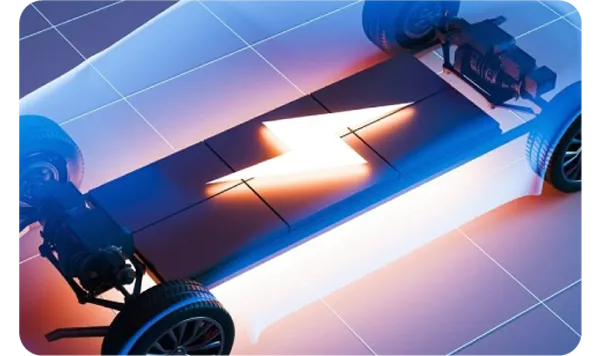
When an electric vehicle is connected to a Type 2 charging pile, the charging pile sends a charging request signal to the electric vehicle. Upon receiving the signal, the electric vehicle checks whether the voltage, current, and other parameters of the charging pile meet the requirements and starts the onboard charger for charging. The onboard charger converts the input AC power into DC power suitable for the voltage and current of the power battery to charge the electric vehicle's power battery. Throughout the charging process, real-time communication and data exchange occur between the charging pile and the electric vehicle to ensure the smooth progress of the charging process.